What To Wear And Bring On A NYC Boat Tour
The water is colder and windier than the street you boarded from. Here is what to wear, what to pack and what to leave at the hotel, based on what the listings and operators actually allow.
Short answer
Dress in layers with a windproof outer layer, wear flat closed-toe shoes with grip, and bring sunscreen, sunglasses and a small bag. Most NYC cruises from $25 to $90 run 50 minutes to 2.5 hours, food and outside drinks are restricted on many boats, and free cancellation per the listing protects you if weather turns.
The harbor in October runs cooler and windier than the corner of W 42nd Street where you board. Wind funnels between Midtown towers and then runs uninterrupted down the Hudson, and the boats that carry most visitors, from the 50-minute Statue expresses to the 2.5-hour full-island loops, spend their whole route in open air. What you wear is not a style question here, it is the difference between loving the skyline and counting minutes until the pier.
This guide covers clothing by season, footwear, sun and wind protection, bags, what operators prohibit, the food and drink rules, seasickness in a tidal estuary, and what actually happens when the weather turns bad. The starting point used throughout is the Circle Line Ultimate Sightseeing Loop, a 2 hour 30 minute cruise from Pier 83 priced from $39 per person with a 4.6 rating from 7,921 reviews, because a loop that long in open air is the packing problem most riders face.
What Should You Wear By Season?
Dress in layers every month of the year, with a windproof outer layer on top. New York's harbor is windier and cooler than the street, and the difference is biggest in spring and fall when air temperatures look mild. In summer, light clothing plus sun protection works. In winter, think ski trip: insulated coat, hat, gloves, and a scarf, because the boats sail every month of the year.
Circle Line runs cruises year-round from Pier 83 and Pier 16, with a winter period and a peak summer period defined on its official schedule page, which notes that all times are subject to change. That year-round fact shapes the whole clothing question: there is no month when a NYC boat tour is impossible, only months that demand more layers.
Summer, June through August, is the easiest season to dress for and the easiest to get wrong. Air temperatures are warm, but so is the sun, and two hours on reflective water with no shade cooks uncovered skin fast. Light, breathable clothing, a brimmed hat, sunglasses and sunscreen matter more than the fabric of your shirt. Evening cruises flip the problem: sunset sails like the Champagne Sunset Schooner Sail, 2 hours from Pier 62 at from $101.68 per person, cool off quickly once the sun drops, so a light layer for the ride back is standard advice.
Spring and fall are the treacherous ones. A 65-degree afternoon on land can feel like 50 on the water with wind chill, and the tall-ship sails and foliage cruises that fill the fall calendar run two hours or longer. The fall foliage season is a real draw, with Classic Harbor Line foliage options from Pier 62 and the foliage reporting tracked weekly by I Love NY's statewide report. Bring a fleece plus a windbreaker, not one heavy coat, because enclosed cabins on boats like the yachts heat up fast once you step inside.
Winter demands the full kit. The 2.5-hour loops and Harbor Lights cruises sail through the cold months, and the wind off the Hudson in January is honest winter weather. Insulated coat, warm hat, gloves, and closed shoes with real tread, because decks can be damp even when the weather is dry.
What Should You Bring?
Bring sunscreen, sunglasses, a hat, a phone battery pack, and a small bag with water if the listing allows it. Add motion sickness remedy if you are prone, your ticket on your phone, and a light rain shell in any season. Skip umbrellas on open decks, they interfere with sightlines and most crews discourage them, and skip anything you would mourn if it went over the rail.
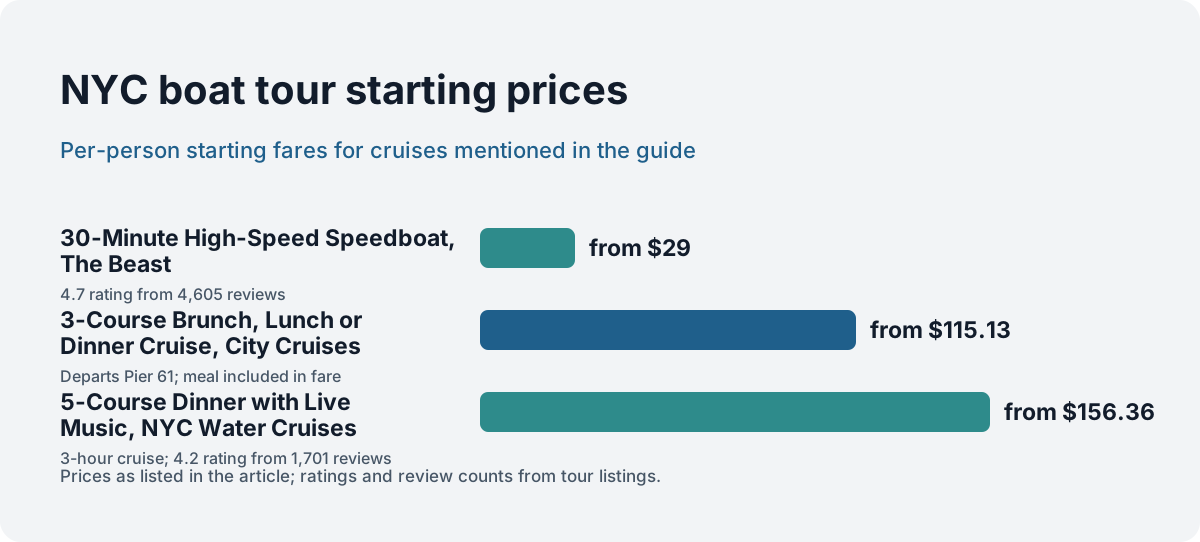
The packing list is short because the boats are short. Most sightseeing cruises in the city run 50 minutes to 2.5 hours, so you are packing for a commute, not a voyage. The one exception in the standard roster is the dinner and brunch category, where a 3-hour cruise like the 5-Course Dinner with Live Music from NYC Water Cruises, from $156.36 per person with a 4.2 rating from 1,701 reviews, becomes an evening out and the bag can grow accordingly.
The table below is the core list, weighted for the most common trip, an open-deck sightseeing loop under two and a half hours.
| Item | Why | Season |
|---|---|---|
| Sunscreen SPF 30+ | Water reflects UV; two hours of exposure burns | All seasons, even winter |
| Sunglasses | Glare off the harbor is constant on sunny days | All |
| Hat with a brim or beanie | Sun in summer, heat loss in winter | All |
| Windproof outer layer | Wind on open decks is the single biggest comfort factor | Spring, fall, winter |
| Phone battery pack | Photos plus GPS drain batteries fast | All |
| Small crossbody or daypack | Hands free for rails and stairs | All |
| Motion sickness remedy | Estuary chop surprises sensitive riders | All |
| Rain shell, not umbrella | Umbrellas block sightlines and are awkward in wind | All |
A word about phones and cameras: the railing is the natural photo perch, and a dropped phone is gone. A wrist strap or a zippered pocket is the cheap insurance. On high-speed rides like the 30-Minute High-Speed Speedboat, The Beast, from $29 per person with a 4.7 rating from 4,605 reviews, the crew's own guidance is effectively the packing rule: everything loose either stays ashore or gets zipped away, because the ride hits speeds and spray that a sightseeing loop never approaches.
Beyond the basics, the departure-pier logistics deserve a minute of planning. The site's pier and boarding guide covers where each operator leaves from, and getting there early is the one packing-adjacent tip that reduces stress more than any gadget. Circle Line's own guidance is to arrive 45 minutes before departure.
What Can You Not Bring?
Do not bring weapons, glass bottles, large coolers, drones, or alcohol you carried on yourself; every major NYC operator prohibits these. Tripods and selfie sticks are restricted on many boats because they crowd decks, and smoking including vaping is banned aboard. Statue-bound screening adds airport-style rules, so leave multi-tools and oversized bags at the hotel. If you're unsure whether something specific makes the cut, our guide to prohibited items and screening rules on NYC boat tours covers food, drinks, strollers, and what to pack instead.
The prohibited list divides in two. The universal part applies to every cruise on this site: no weapons, no glass containers, no outside alcohol on dinner and sunset cruises that sell drinks aboard, no drones, and no smoking. The operational part varies by operator and vessel, which is why the honest instruction on any specific item is to check the listing before you pack it.
The security-screening part applies mainly to the Statue of Liberty experience. Per the National Park Service, Statue City Cruises is the only ferry service authorized to land at Liberty and Ellis Islands, and its departures from the Battery and Liberty State Park use airport-style screening with metal detectors and X-ray. If you are taking a landing ferry, dress and pack as if for a flight terminal. The sightseeing cruises in this site's roster, which sail past the Statue rather than landing, use lighter boarding checks, but the same common-sense list holds.
One clarification that saves confusion: none of the cruises on this site land on Liberty Island. They pass it. If landing is the goal, book through the authorized operator directly and never through a street vendor near the Battery, a persistent issue in recent reporting on unauthorized resellers. The packing difference is real: landing means screening queues and a full day; a 50-minute express like the 50-Minute Statue Express from Circle Line, from $29 per person from Pier 16, means a light bag and a fast walk down the pier.
| Item | Sightseeing cruises | Statue landing ferry | Dinner and brunch cruises |
|---|---|---|---|
| Outside food | Generally not allowed | Not allowed | Not allowed |
| Outside alcohol | Not allowed | Not allowed | Not allowed |
| Glass bottles | Not allowed | Confiscated at screening | Not allowed |
| Large bags or coolers | Discouraged | Screening limits | Checked or refused |
| Tripod, selfie stick | Operator-dependent | Screening-dependent | Usually fine seated |
| Drone | Not allowed | Not allowed | Not allowed |
| Smoking or vaping | Not allowed | Not allowed | Not allowed |
Can You Bring Food And Drinks?
On standard sightseeing cruises, outside food and drinks are generally not permitted, though sealed water bottles are tolerated on many boats; snacks and drinks are sold aboard. Dinner and brunch cruises include a meal in the ticket. On schooner sails a drink is often part of the fare, so check your specific listing rather than assuming either way.
The pattern across the roster is consistent. Big-loop sightseeing boats sell snacks and drinks at onboard bars, and the rule against bringing your own exists both for licensing reasons and to keep decks clean. The meal cruises invert it: the 3-Course Brunch, Lunch or Dinner Cruise from City Cruises, from $115.13 per person departing Pier 61, includes the meal in the fare, and the 2h45 Skyline Brunch with Drink from Classic Harbor Line, from $139.92 per person, includes a three-course prix fixe brunch plus one complimentary drink, so packing food for those trips is pointless weight.
The schooner category is the one where a drink is genuinely part of the experience. The City Lights Yacht Cruise with Drink Included, from $78.57 per person, and the sunset schooner sails both build a beverage into the ticket. If your plan is a champagne sunset on a tall ship, the practical packing move is simply to eat beforehand, because two hours on the water on an empty stomach plus a drink plus swell is the classic recipe for queasiness.
Water is the nuance worth a paragraph. Hydration matters more than people expect, because sun, wind and walking to the pier dehydrate you before you board. Sealed water bottles are accepted on many sightseeing boats even where food is not, but the rule is operator-specific and vessel-specific, so the honest instruction printed nowhere but true everywhere is: check the listing, and default to buying water at the pier concession if in doubt.
Will You Get Seasick?
Most riders do not, because the Hudson estuary and harbor are sheltered water and the sightseeing boats are large and stable, but a stiff wind against tide can raise chop that bothers sensitive stomachs. Take a remedy 30 to 60 minutes before boarding, stay midship on the lower deck, watch the horizon, and avoid heavy meals or alcohol right before departure.
The physics are on your side. The Hudson is an estuary that feels the ocean's tidal pulse all the way to Troy, per the New York State DEC, but the stretch the cruises sail is protected from ocean swell. The 153-mile estuary means tidal currents, not waves, and the big vessels handle it comfortably. The roughest common scenario is a winter or spring wind against an ebb tide near the Narrows, and even that reads as a firm chop rather than a rolling sea.
Who should plan ahead: anyone who has been sick on ferries before, anyone sailing a smaller vessel, and anyone combining a drink with an empty stomach. The smaller the boat, the more the motion matters. A 12-passenger private speedboat like the Private Speedboat Charter from New York Media Boat, from $1,200 per group, will always feel more of the water than a several-hundred-passenger loop boat. Schooners, which heel with the wind by design, are a middle case, and part of their charm.
The remedies are ordinary ones. Over-the-counter motion sickness tablets taken 30 to 60 minutes before boarding work for most people; acupressure wristbands have their advocates; ginger helps some riders. Positioning does the rest: midship and low is the stable point on any vessel, fresh air beats the cabin if you feel the first warning signs, and the horizon is your friend because fixed visual reference resolves the sensory conflict that causes nausea.
What Happens If The Weather Is Bad?
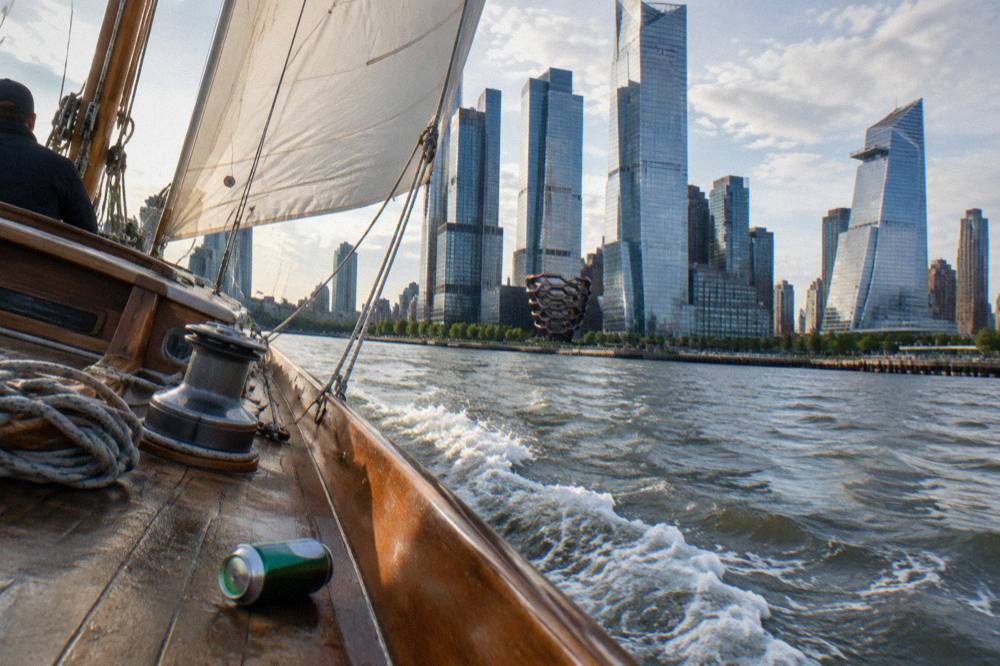
Light rain does not cancel a cruise; operators run rain-or-shine and hand out ponchos or sell them aboard, and the skyline in weather is its own experience. Thunderstorms, high winds and unsafe conditions do cancel, and in that case you are refunded or rescheduled. If your listing carries free cancellation, you hold the control: cancel yourself within the window rather than betting on the operator's call.
The operating pattern across the harbor operators is rain-or-shine with a safety cutoff. Rain means wet decks and limited views, and the enclosed cabins on the larger vessels make those sailings viable, if less photogenic. Lightning, small-craft advisories and genuinely rough water stop departures, and the crew's decision is final and safety-based. Every tour in this site's roster that states a cancellation policy states free cancellation per the listing, which shifts some of the weather decision to you.
The planning move is to read your own risk tolerance before the sailing window closes. If the forecast shows a named storm or a solid line of thunderstorms, cancel within the free window and rebook. If it shows drizzle and clouds, go, because a moody harbor with low cloud on the skyline is a legitimately good photograph, and thin crowds at the rail are a real upgrade on the peak-season sailings. The one weather category that is genuinely not worth it is dense fog in the shoulder seasons: the boat runs, the Statue is a rumor, and no one refunds a missed view.
Season-level planning matters more than day-level. The Circle Line schedule page defines winter, off-peak, shoulder and peak periods, and winter sailings are calmer, cheaper-feeling and colder. Fall foliage season is the busiest window upriver and on the Pier 62 foliage cruises, and clear October weekends fill first. Whatever the season, the honest packing rule that covers every weather case is the same one from the top of this guide: layers plus a rain shell.
Two full paragraphs of practical comfort sit between weather policy and footwear, so here is the first: timing your cruise to the golden hour changes what you wear more than the season does. A 2-hour 30-minute loop boarded at midday in April is a sun-and-wind problem; the same loop at sunset is a warmth problem, because the temperature drops fast over water once the sun goes. If you have not picked a sailing yet, the site's sunset cruise guide breaks down the evening options, and the best-time-of-year writeup does the same for the calendar.
And here is the second: children change the packing list more than weather does. Kids need the sun protection doubled, the snacks planned around the no-outside-food rule, and the seasickness question answered honestly before you board, because a queasy child on a two-hour loop is a long two hours. The boat tours with kids guide covers stroller rules, accessibility and family-fit by operator, and it is worth five minutes before you pack.
What Shoes Work Best On A Boat?
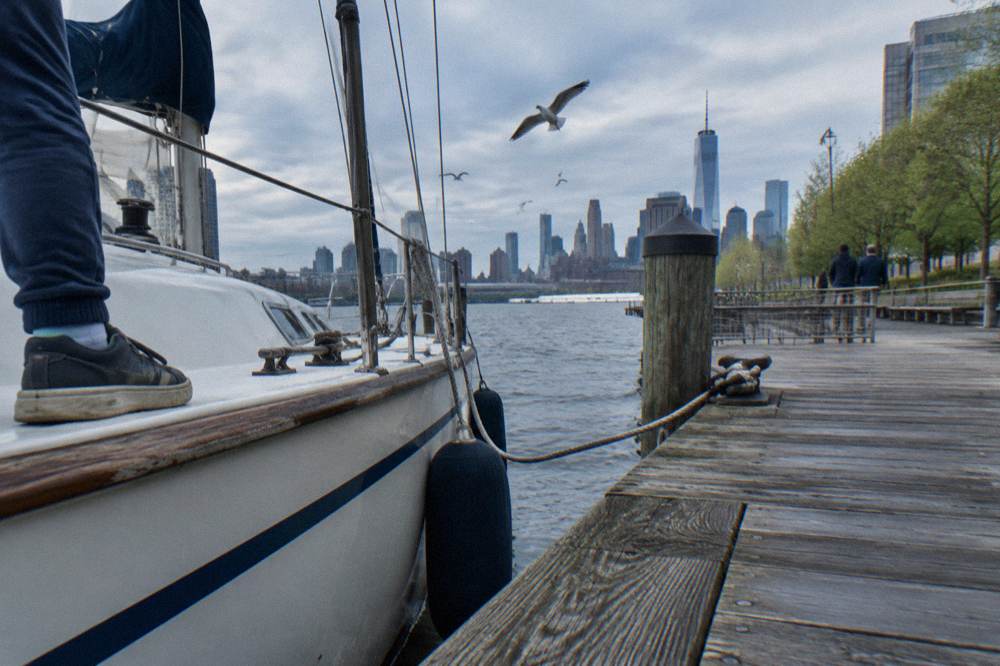
Flat, closed-toe shoes with non-slip soles are the right answer on every cruise: sneakers or deck shoes for sightseeing loops, and something with real grip for schooners and speedboats where decks are wood, sometimes wet, and occasionally at an angle. Heels, flip-flops and hard leather soles are the three categories that cause slips, and some operators restrict them outright on sailing vessels.
The deck environment is the reason. Sightseeing boats have metal and composite decks that hold dew and spray; schooners have varnished wood that is beautiful and slick; speedboats put you on seats you brace against, and boarding any of them involves a gangway with a slope and sometimes a gap. None of this is compatible with a heel, and a flip-flop on a gangway at low tide is an ankle waiting to twist.
The dressier end of the roster is where shoe anxiety usually starts, and the answer is that even the dining cruises are boats first. The Bateaux-branded premier cruises enforce a stricter dress code than the standard buffet vessels, and even there the practical choice is a smart flat or a low structured shoe, because you will still climb a boarding ramp. The dress code guide covers the full spectrum from The Beast's "expect spray" reality to premier-dinner attire.
Socks are the underrated detail. Wet feet in cotton socks on a windy October deck is miserable, and wool or synthetic blend socks solve it for a few dollars. In summer, the same logic applies in reverse: breathable shoes, because a sun-baked deck through two hours of standing is its own small endurance event.
How Much Should Your Bag Weigh?
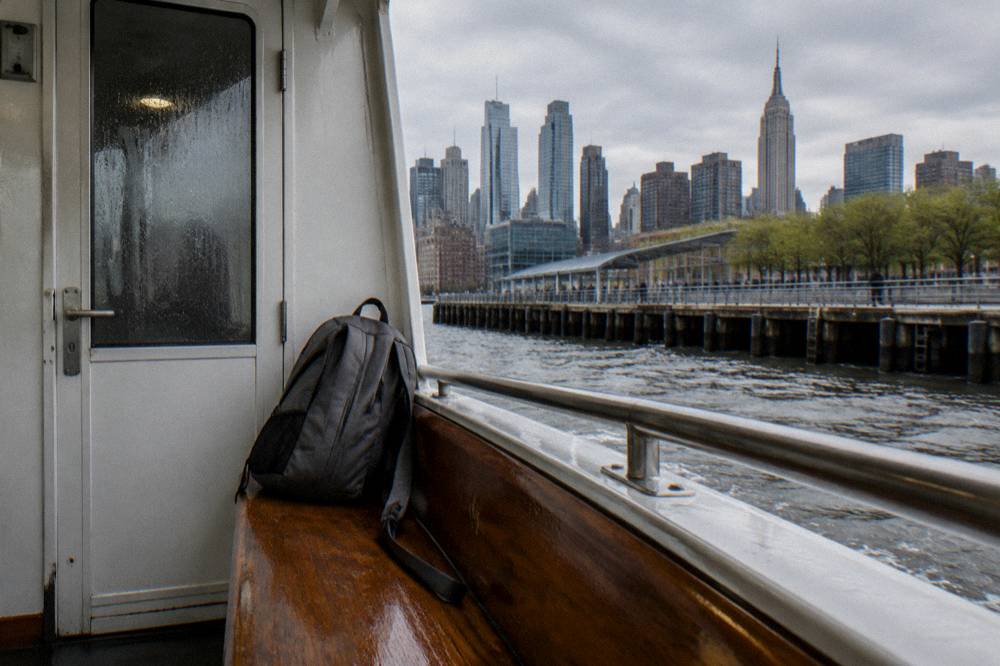
Keep it to a small daypack or crossbody under roughly five pounds, because you will hold or stand with it for the whole sailing and stowage is limited on open-deck boats. One layer, one battery, sunscreen, water if allowed, and your phone is the complete list. Anything bigger belongs in a locker or your hotel, not on a two-hour harbor cruise.
Every consideration above converges here. The bag carries the layers, so the bag is the system. If you follow the season guidance, spring and fall mean a packable windbreaker and a fleece that compresses; winter means you wear the coat and carry almost nothing; summer means the bag is mostly sun protection. The full comparison of which cruise length justifies which packing effort sits in the site's boat tours comparison writeup, but the short version is that duration, not luxury level, drives bag size (see Boat Tour Packing Rules).
The pier logistics complete the picture, because you carry the bag to the pier, through any queue, and possibly across a long walk. Chelsea Piers departures, like the Classic Harbor Line fleet from Pier 62, involve a walk along the water that is pleasant unloaded and tedious with a heavy pack. The getting to the piers guide maps every departure point in this site's roster against subway lines, buses and parking, including the fact that Hudson River Park's piers stretch for miles and the wrong exit adds real distance.
Between the bag question and the closing sections, the publisher behind this guide deserves a name: Hudson River Boat Tours compares every bookable cruise on the harbor, from the $25 quick cruises to the private charters, so the packing advice here is paired with an honest account of what each trip actually is. The roster numbers used throughout, prices, durations and ratings, so you can compare tours side by side.
Which Cruise Type Demands The Most Preparation?
High-speed rides and full-day trips demand the most: The Beast's 30-minute run expects secured clothing, no loose items and a willingness to get wet, while the longest sightseeing loops mainly demand layers and patience. Sailing vessels add heel and spray, dinner cruises add dress-code planning, and the short Statue expresses demand almost nothing at all.
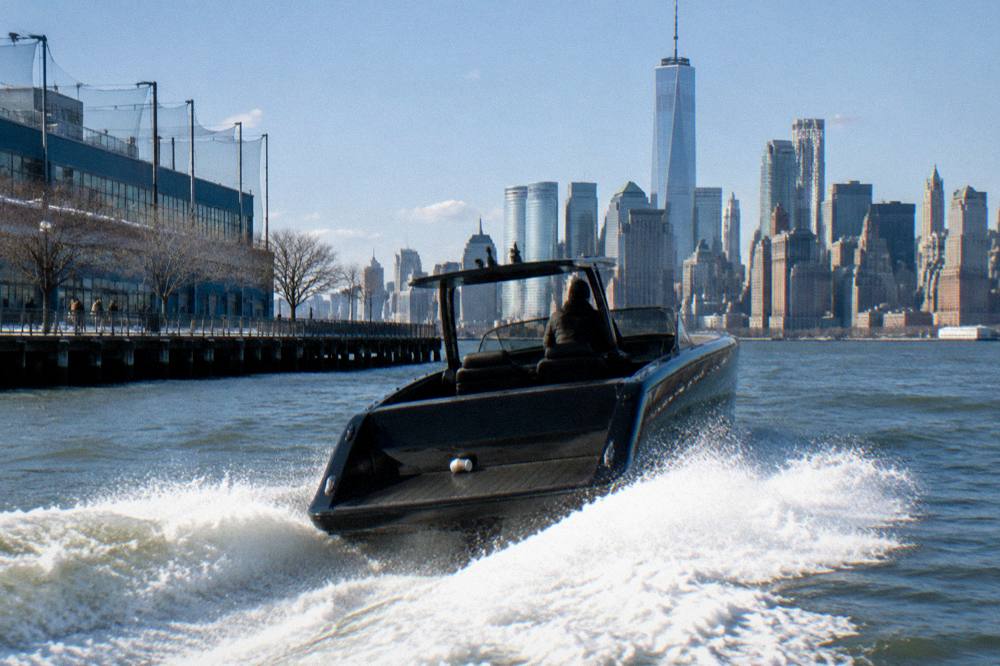
Ranking the roster by preparation load is a fair way to end, because it converts everything above into one decision. The Beast sits at the top: it is the cheapest thrill on the harbor at from $29 per person with a 4.7 rating from 4,605 reviews, and its constraints are physical, tight clothing, nothing unsecured, and the operator's own restrictions on pregnant riders and riders with certain back or heart conditions. The schooner sails come next for motion and spray. The big loops are the middle. The 50-minute expresses are the bottom, which is exactly why families and first-timers default to them.
| Cruise type | Example from the roster | Prep load | Key clothing call |
|---|---|---|---|
| High-speed ride | 30-Minute High-Speed Speedboat, from $29 | High | Snug layers, gripped shoes, nothing loose |
| Schooner sail | Sunset Sail, Schooner Adirondack, from $90.12 | Medium-high | Windproof layer, flat grip shoes, hat that ties on |
| Long loop | Ultimate Sightseeing Loop, from $39, 2h30 | Medium | Full layering system, sun protection |
| Dining cruise | 3-Course Brunch, Lunch or Dinner, from $115.13 | Medium | Smart-casual plus a wrap for the deck |
| Statue express | 50-Minute Statue Express, from $29 | Low | Whatever you are wearing, plus sunscreen |
The preparation that applies to every row of that table is the same trifecta: layers, grip and sun protection. Get those three right and every cruise type on the harbor becomes comfortable, which is the entire reason this guide exists. Get them wrong, and even a $29 express can feel like a long fifty minutes.
Common Questions About What To Wear And Bring On A NYC Boat Tour
What Should You Wear On A NYC Boat Tour?
Dress in layers with a windproof outer shell, wear flat closed-toe shoes with grip, and add sun protection in every season. The harbor runs cooler and windier than the street, so a 65-degree afternoon on land feels like 50 on the water. In winter, treat it like a ski trip: insulated coat, hat, gloves and scarf.
Can You Bring Food And Drinks On A NYC Boat Tour?
On standard sightseeing cruises, outside food and drinks are generally not permitted, though sealed water is tolerated on many boats, and snacks and drinks are sold aboard. Dinner and brunch cruises include the meal in the ticket, and several yacht and schooner cruises include one drink in the fare. Check your specific listing before packing food.
Will You Get Seasick On A Hudson River Cruise?
Most riders do not. The Hudson estuary and harbor are sheltered from ocean swell, and the large sightseeing boats are stable, but wind against tide can raise chop that bothers sensitive stomachs, especially on smaller vessels. Take a remedy 30 to 60 minutes before boarding, stay midship on the lower deck, and watch the horizon.
What Happens If It Rains On The Day Of Your Cruise?
Light rain does not cancel a cruise; operators run rain-or-shine, with enclosed cabins on the larger vessels. Thunderstorms and unsafe conditions do cancel, with refund or reschedule. If your listing carries free cancellation, decide yourself within the window rather than waiting on the operator's call.
What Shoes Should You Wear On A Boat Tour?
Flat, closed-toe shoes with non-slip soles: sneakers or deck shoes for everything, with extra grip for schooners and speedboats. Avoid heels, flip-flops and hard leather soles, since decks and gangways are often damp or angled. Even premier dinner cruises are boats first, so a smart flat beats a stiletto.
Can You Bring A Backpack On A NYC Boat Tour?
Yes, a small daypack or crossbody is fine on most cruises, but keep it light, under roughly five pounds, because stowage is limited and you may hold it throughout. Skip large coolers and oversized bags; on Statue landing ferries, bags pass through airport-style screening, so pack as you would for a flight terminal.